


Four Rubber Roller Huskers Covering Every Mill Size from 1 to 8 t/h
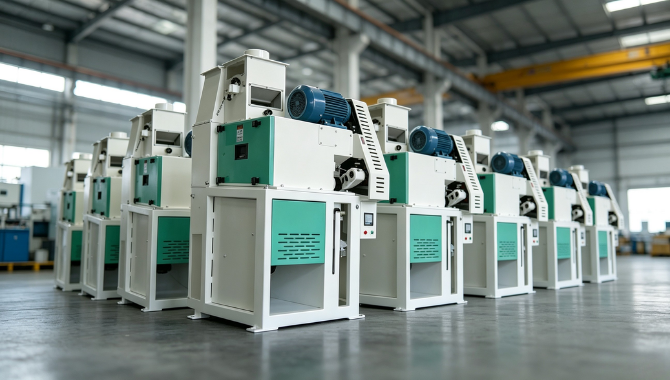
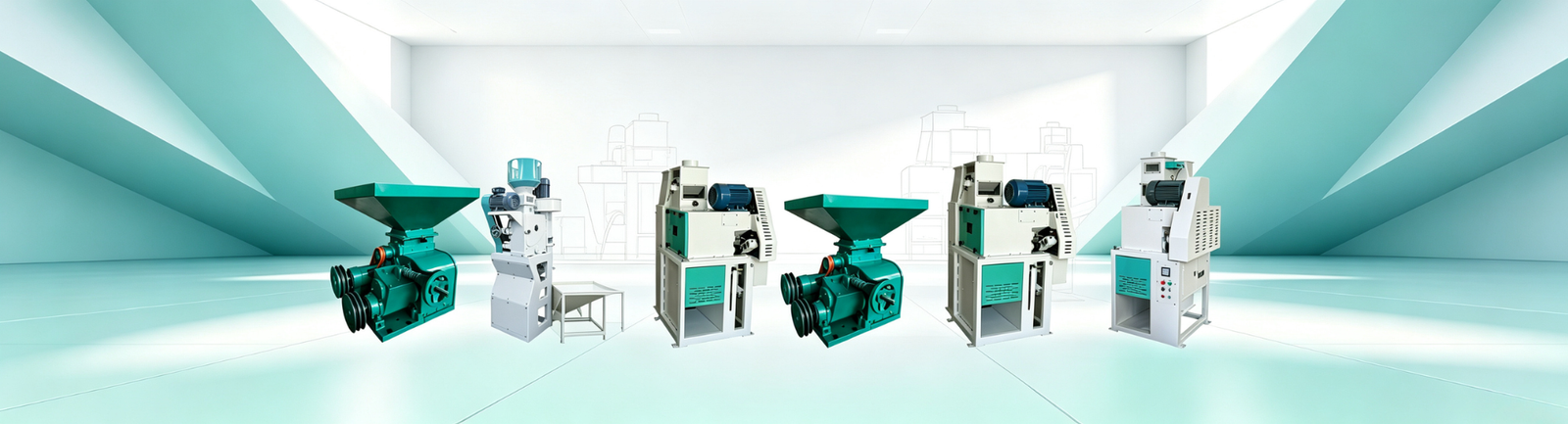
Huskers are the heart of a rice mill — the point where the husk comes off and the rest of the line starts to matter. Goldilocks builds four rubber roller huskers so every mill buys the right size, not the closest one. The MLGT double-support gearbox husker handles 0.8–2 t/h for village mills; the MLGT20 gearless model takes 1.5–2.5 t/h with no gearbox and no oil leaks; the HU10 and HU12 push 3–8 t/h for growing plants; and the HU-B automatic air-tension series brings full automation to the same capacity range. All four share the same core: rubber rollers, husk removal above 90%, and simple, reliable adjustment. Because they come from one factory, a mill can start with an MLGT today and step up to an HU or HU-B as production grows — same supplier, same spare-parts list, same service team.
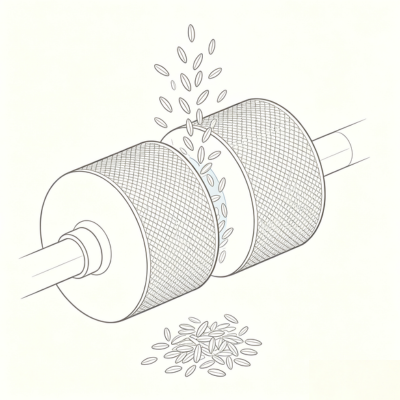
How Rubber Roller Huskers Remove the Husk Without Breaking the Grain
All Rubber Roller Huskers Share Six key Advantages

More about Our Products
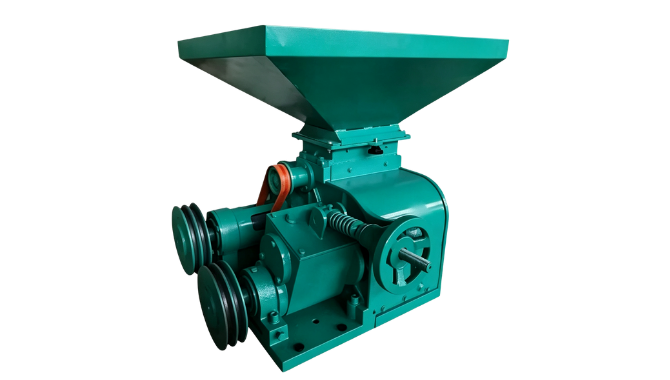
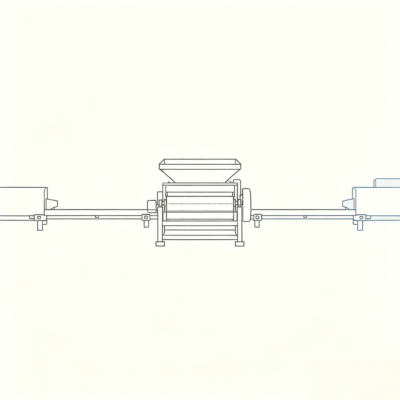
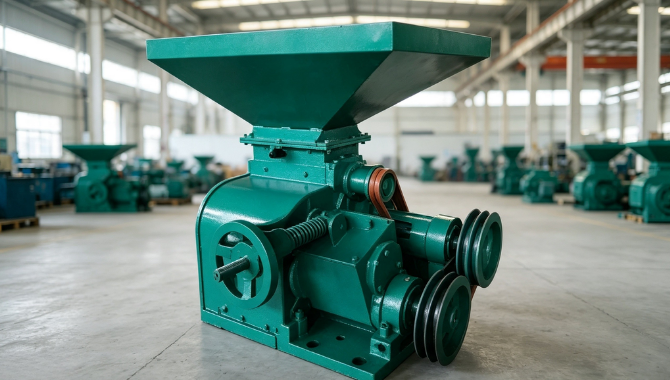
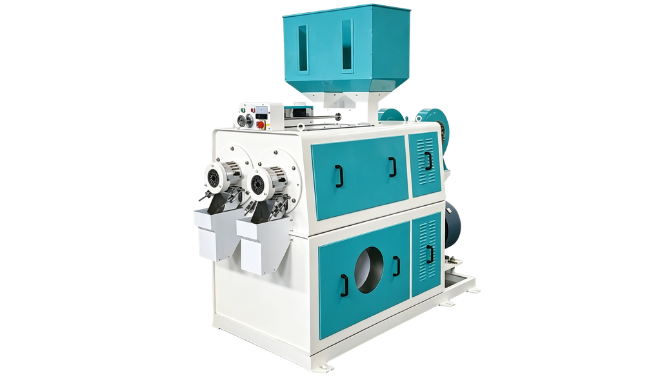
The MLGT husker uses a double-support movable gearbox that solves the coordination problem of swing gears. Husk removal rate exceeds 90%, rubber rollers last longer, and operation and adjustment stay simple. Built for small rice mills that need a dependable first-stage husker. Models: 6″ (0.8–1.5 t/h, 4–5.5 kW), 8″ (1.2–2 t/h, 5.5–7.5 kW).
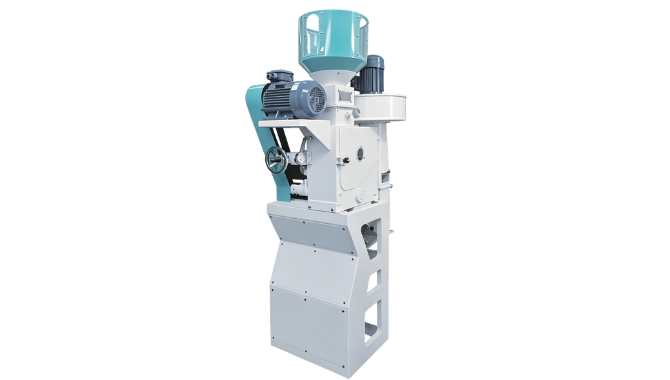
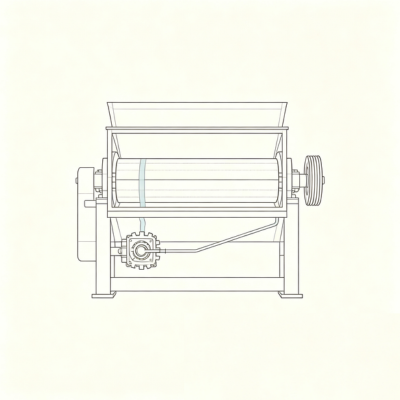
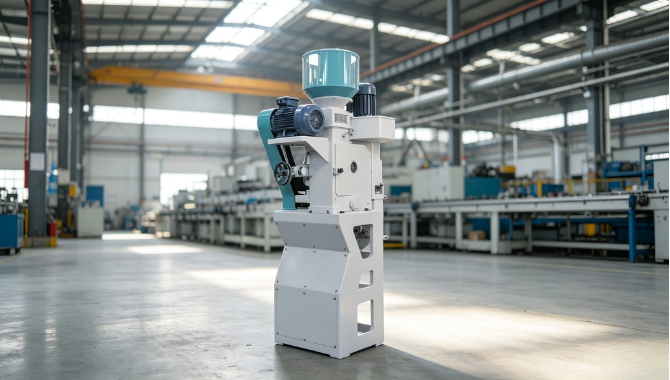
Built for rice hulling and husk separation without a gearbox. Instead of traditional gear transmission, it uses hexagonal-belt drive, so there is no gearbox and no oil leakage problem. A dedicated fan is built in. Grain content in hulls stays at ≤30 grains per 100 kg. Model: MLGT20 (8″), 1.5–2.5 t/h, air volume 3,000 m³/h, 5.5 kW.
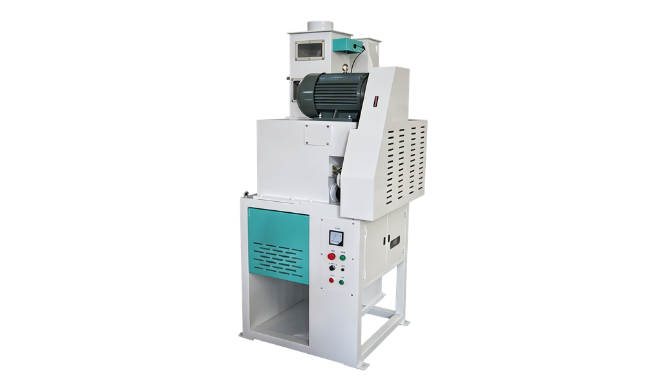
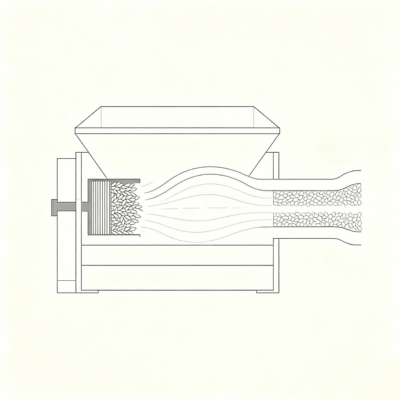
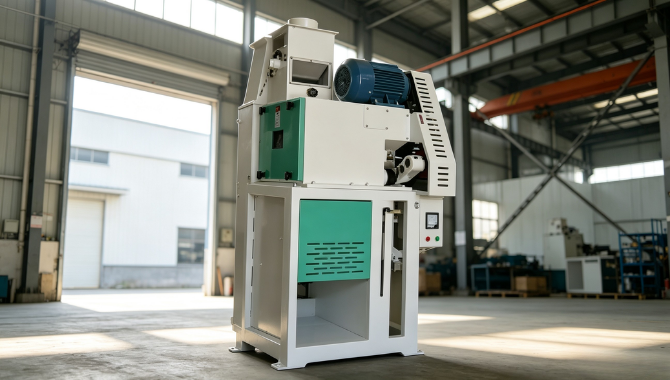
The HU-B series is a newly developed fully automatic, gearless husker with pneumatic roller tensioning. It features high automation, excellent process results and convenient operation — positioned as the next-generation replacement for traditional huskers in rice processing plants. Models: HU10B (3.5–5 t/h, 7.5 kW), HU12B (4.5–8 t/h, 11 kW).
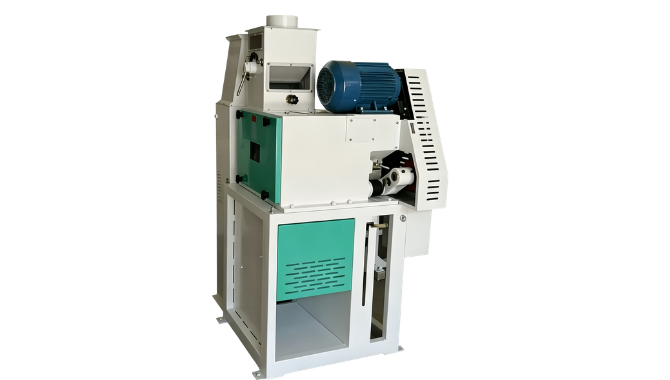
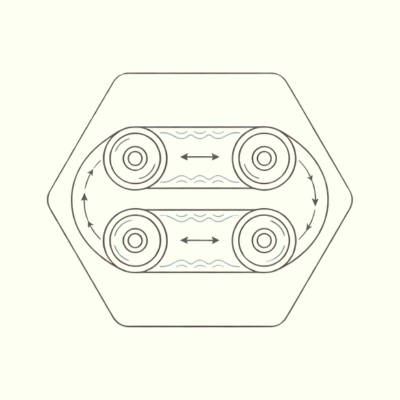
The HU series adopts gearless, hexagonal-belt transmission with stepless speed adjustment. The husking process becomes more efficient, safer and more reliable, with clearly higher output per unit and better process results. Models: HU10 (3–5 t/h, 5.5–7.5 kW), HU12 (4.5–8 t/h, 11 kW). The choice for mills upgrading from 6″/8″ machines to medium capacity.
Where Rubber Roller Huskers Fit: Village Mills, Growing Plants, Automatic Lines
A husker is sized by daily paddy input, not by habit. Village mills milling 3–5 tonnes a day run the MLGT 6″ or 8″ — small footprint, simple adjustment, easy for one operator. Plants processing 10–20 tonnes a day step up to the MLGT20 or HU10, where higher output and the built-in fan keep the line moving. Factories at 20 tonnes and above choose the HU12 or the HU-B automatic series, where pneumatic tensioning removes the guesswork from roller setting and keeps quality steady across shifts. The same machines also fit combined rice milling units, where the husker works as part of a compact line with cleaner, separator and mill. Buyers in Southeast Asia, Africa and South Asia use them for paddy; wheat and other grains are handled with matching rollers on request.
What Happens Before a Goldilocks Husker Leaves the Workshop
Roller alignment is checked with dial gauges — a millimetre off and the husk removal drops. Frames are welded in-house, rubber rollers are stored away from heat and sunlight, and every unit is test-run before packing: rollers rotating, fan pulling, roller gap adjusting through its full range. Bearing temperature and vibration are measured during the test run. Rubber rollers are sourced to spec and checked for hardness on arrival, because roller quality decides husking performance. ISO 9001:2015 processes cover incoming material, machining, assembly and final inspection. Each machine ships with a test record and a spare-parts list. Buyers are welcome to visit the workshop and watch their husker being built and tested — seeing the machine run before it is crated is the strongest guarantee we offer.
Why Mills Choose Goldilocks Rubber Roller Huskers Over Traders' Brands
Because a husker is a long-term machine, and the supplier is part of the purchase. Goldilocks is the factory that designs, machines, assembles and tests these huskers — not a trading office that forwards orders. ISO 9001:2015 quality management covers the whole flow, and more than 20 product patents sit behind the sieve, destoning and husking designs. Over 3,000 rice mills in 30+ countries run on our equipment. Buying factory-direct means the quotation has no middleman margin, the spare rubber rollers are the same grade as the originals, and the engineer answering your questions works at the plant that built the machine. When a husker runs 20 hours a day, that direct line matters. That is why mill owners compare brands by what happens after the sale, not just by the price list.
How to Extend Rubber Roller Life (And Cut Your Season's Costs)
Rubber rollers are the biggest consumable cost on a husker, and how you use them decides how long they last. Three habits matter most. First, keep the roller gap set correctly: too tight, and the rollers scrub each other and wear fast; too loose, and the husk stays on, so you tighten again — a cycle that ruins rollers. Second, feed the machine evenly. Surges overload the rollers, while starving the feed lets them rub together with no grain between. Third, check the tension system. On the MLGT, the movable gearbox keeps pressure even; on the HU-B, air tension adjusts automatically, which is why plants running multiple shifts prefer it. Also keep rollers out of direct sunlight and heat before installation — heat hardens the rubber and shortens its working life. Our huskers are designed so roller changes take under an hour, and spare rollers are stocked for every model. Buy one spare pair with the machine; roller wear is normal, waiting for a roller in the middle of the season is not.
Why Husk Removal Rate Above 90% Changes Your Milling Numbers
Husk removal rate is the number that quietly decides your profit. If the husker leaves 15% of the husk on, that unfinished paddy goes into the paddy separator, which struggles to separate it, and the un-husked grains circulate back to the husker again. Each cycle adds breakage, consumes power and slows the whole line. A husker that removes 90% or more of the husk in one pass keeps the separator simple, the recycle load low and the breakage down. Our MLGT series is rated above 90% when properly adjusted — a target it holds in normal mill conditions, not just on the test bench. The second number to watch is grain content in the hulls. If the suction fan pulls whole grains into the hulls with the husk, you are literally blowing money out of the mill. The MLGT20 holds grain loss at ≤30 grains per 100 kg of hulls. Between high husk removal and low grain loss, a good husker adds a measurable percentage to your outturn every single day.
Key Features:Above 90% Husk Removal, No Oil Leaks, Longer Roller Life
Four features matter to a mill owner. First, husk removal: the MLGT series is rated above 90%, which means the separator downstream gets a clean feed. Second, drive system: the gearless models use hexagonal-belt drive with no gearbox — no oil leaks, fewer wearing parts, simpler maintenance. Third, roller life: the double-support frame keeps roller pressure even, so rubber wears uniformly and lasts longer between changes. Fourth, grain loss: the MLGT20 holds grain content in hulls to ≤30 grains per 100 kg, so you are not milling away profit. Add the built-in fan on the MLGT20 and HU models, and you get a husker that is clean to run and cheap to maintain — the two things that keep a small mill profitable.
Technical Parameters
| Model | Capacity (t/h) | Power (kW) | Dimension (L×W×H mm) |
|---|---|---|---|
| 6″ | 0.8–1.5 | 4–5.5 | 680×530×800 |
| 8″ | 1.2–2 | 5.5–7.5 | 680×580×800 |
| Model | Grain Content in Hulls (grains/100 kg) | Capacity (t/h) | Air Volume (m³/h) | Power (kW) | Dimension (L×W×H mm) |
|---|---|---|---|---|---|
| MLGT20 (8″) | ≤30 | 1.5–2.5 | 3000 | 5.5 | 1140×750×1810 |
| Model | Capacity (t/h) | Air Volume (m³/h) | Power (kW) | Dimension (L×W×H mm) |
|---|---|---|---|---|
| HU10 | 3–5 | 4000 | 5.5–7.5 | 1240×880×1840 |
| HU12 | 4.5–8 | 5000 | 11 | 1250×1000×1958 |
| Model | Capacity (t/h) | Air Volume (m³/h) | Power (kW) | Dimension (L×W×H mm) |
|---|---|---|---|---|
| HU10B | 3.5–5 | 3500–4000 | 7.5 | 1200×920×1958 |
| HU12B | 4.5–8 | 4000–5000 | 11 | 1250×1000×1958 |
 English
  Русский
  Español
  Français
  Português
  Tiếng Việt