


Feed and Water Equipment for Every Barn
Feeding time decides a farm’s production, and the equipment around the feed alley decides feeding time. Goldilocks builds the machines that move feed and water through your barn: spreader carts that deliver forage in steady batches, leftover feed collectors that clean the bunk and save the waste, and heated water troughs that keep cows drinking through winter. The 9SL spreader cart series covers electric and diesel models from 3 to 12 cubic meters, with fully hydraulic spreading controls that are simple to operate and gentle on your ration. Leftover feed collectors use automatic hydraulic control, front scraper and brush systems, and a one-machine design that collects the alley then spreads feed again. Heated water troughs keep a constant temperature so water intake never drops when the weather turns cold. One supplier for the whole feed room means matched equipment, common spare parts and one service contact. Tell Goldilocks your herd size and feeding routine, and we will match the right spreader, collector and trough to your barn.
Cut Feed Waste and Labor with Smart Barn Machines
Feed is the biggest cost on any farm, and most of the money leaks out in two places: feed left uneaten in the bunk and labor spent moving it by hand. Goldilocks barn machines close both leaks. Spreader carts distribute forage in controlled batches along the feed alley, raising mechanization, cutting feeding time and reducing physical labor, with hydraulic spreading that puts the feed exactly where cows can reach it. Leftover feed collectors sweep the bunk clean with a front scraper and brush, gather the residue into the cart and let you reuse it, turning daily waste into saved feed cost. Heated water troughs keep water intake steady, because well-hydrated cows eat better and produce more. Each machine is built to run with simple controls and low maintenance, so one person can manage more animals. Lower waste, lower labor, steadier production: that is the payoff of a well-equipped feed alley. Ask Goldilocks how a matched set of barn machines can pay for itself in a single season.
Products Introduction
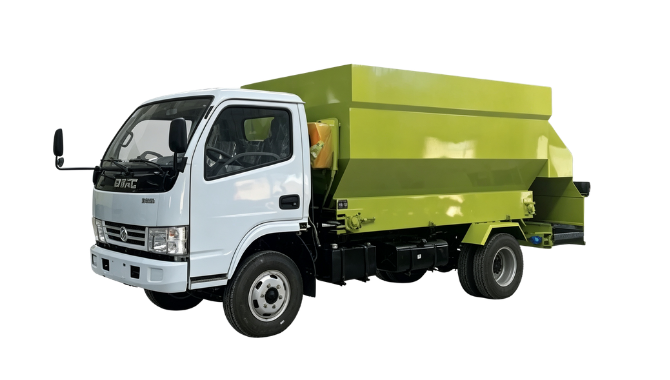
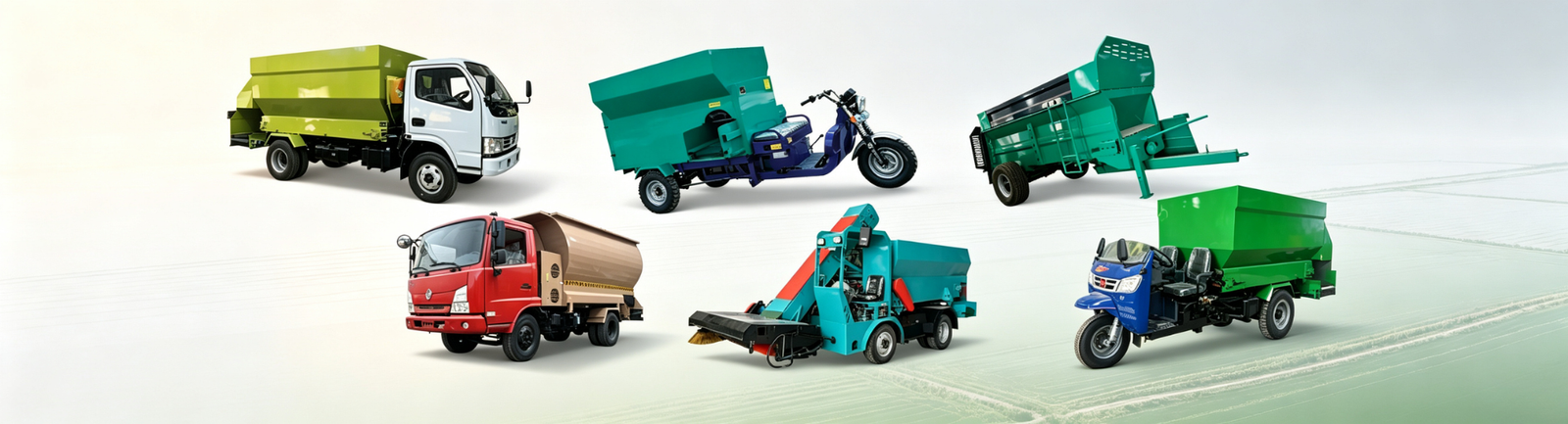
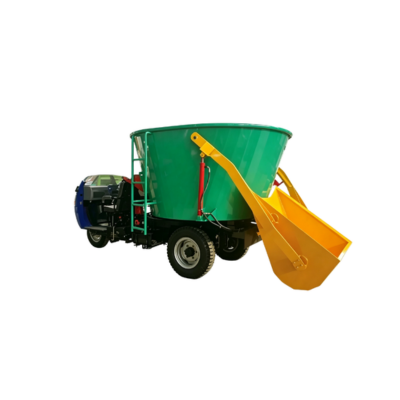
Goldilocks spreader carts deliver silage, hay and mixed rations in controlled batches along the feed bunk. The 9SL series covers electric and diesel models from 3 to 12 cubic meters, with fully hydraulic spreading, stable design and simple controls. Electric models run on batteries at low cost; diesel models handle heavy daily tonnage. The range suits family dairies, beef units and large feedlots, raising mechanization and cutting feeding time and labor.mechanization and cutting feeding time and labor. Hydraulic discharge keeps the spread even at the ends of the bunk, and controls are learned in one day. The factory confirms the right model by daily tonnage and power availability before shipment.
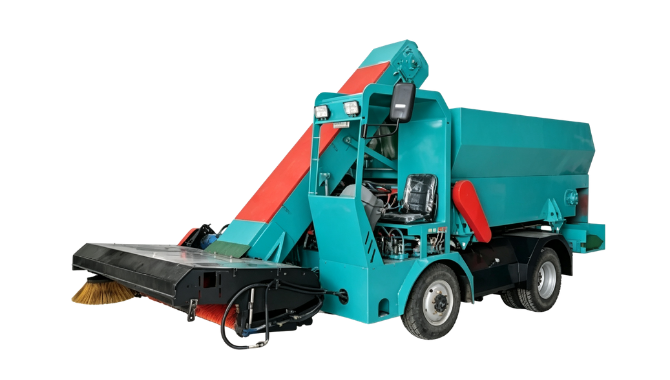
The Goldilocks leftover feed collector cleans the feeding passage and recovers uneaten feed. Automatic hydraulic control runs a front scraper and brush that sweep the bunk clean and gather the residue into the cart. The walking system uses hydraulic stepless-speed transmission with a torque converter, with front-wheel steering and rear-wheel guidance. One machine collects and then spreads again, and an optional integrated collection-mixing version is available.integrated collection-mixing version is available. Fast collection keeps the bunk fresh and hygienic, and the recovered feed returns value to the herd. Controls are simple, and wearing parts are few and factory-supplied.
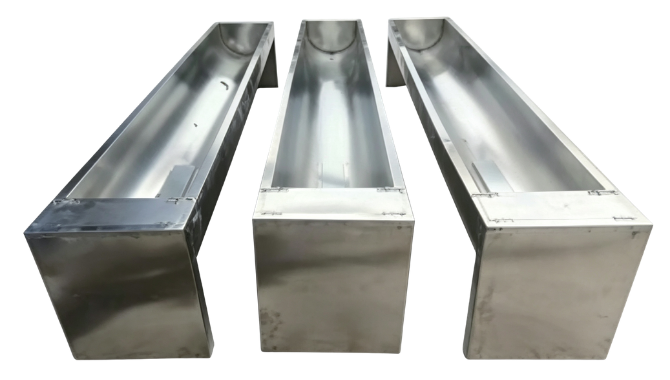
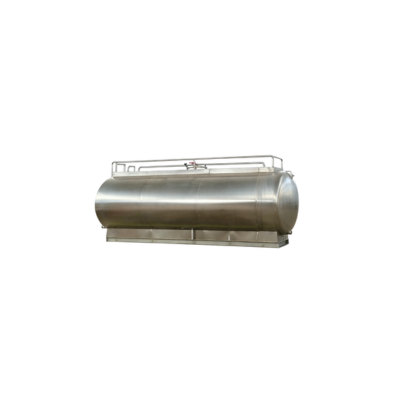
The Goldilocks heated water trough keeps drinking water at a constant, drinkable temperature through winter, protecting water intake when production depends on it most. It is part of the company’s barn equipment line, built for daily pen-side use and easy cleaning. Capacity and heating options are matched to pen size and climate; contact the factory to confirm the configuration for your barn.contact the factory to confirm the configuration for your barn. Automatic heating removes daily ice-breaking work, and easy cleaning keeps the water fresh for the herd. A dependable part of the daily barn routine.
Hydraulic Spreading vs Manual Feeding: The Real Difference
Hand feeding and shovel work are slow, uneven and hard on the crew. Hydraulic spreading changes all three. A Goldilocks spreader cart lays down forage in even, controlled batches along the bunk, so every cow gets a fair share and the ration stays consistent from one end of the alley to the other. The hydraulic system powers the discharge with smooth, precise control, which means the operator can adjust the rate while driving, slow down at the ends and speed up in the middle, without getting off the machine. That accuracy reduces waste at the bunk and keeps feed fresh longer. It also lowers physical labor dramatically: what used to take several people with forks and wheelbarrows now takes one operator and a few levers. The machine’s stable design and simple controls mean new workers learn the routine in a single day. For farms that want to feed more animals with the same crew, hydraulic spreading is not a luxury, it is the practical upgrade that pays for itself through saved time and saved feed.through saved time and saved feed. The switch is simple to justify, and the crew notices the difference on day one.
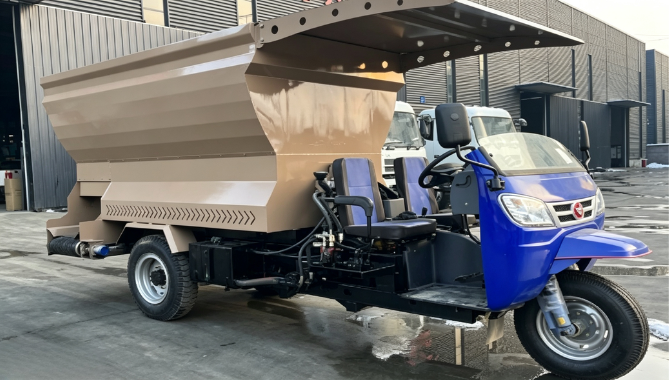
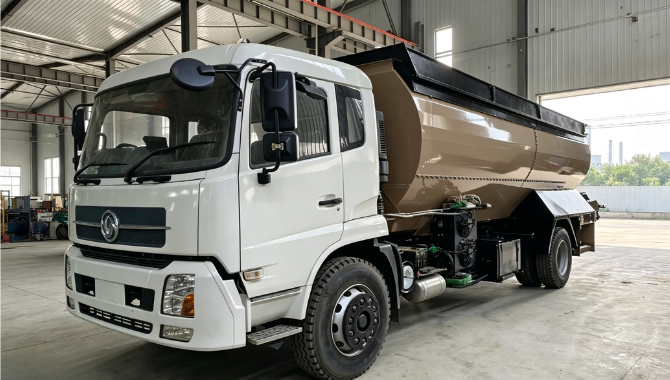
Batch Feeding: How Spreader Carts Improve Feed Efficiency
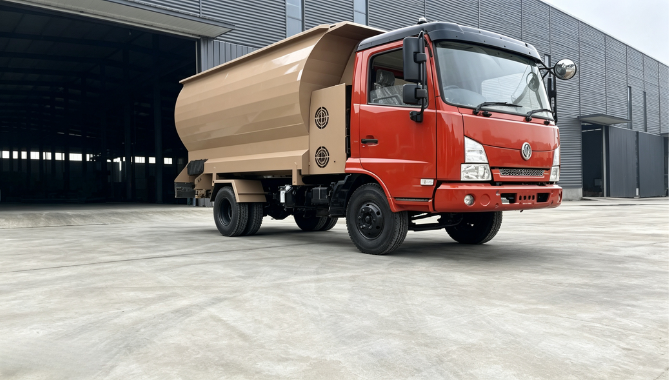
Feed efficiency is not only about the ration, it is also about how the ration reaches the cows. A Goldilocks spreader cart delivers forage in controlled batches, and that small change improves the whole feeding picture. Batch spreading means the feed arrives evenly along the bunk in the amount you planned, so dominant cows do not grab more than their share and timid cows do not go short. Even distribution also keeps the ration consistent, which supports steady intake and steady production. Because the cart spreads directly at the bunk, there is less handling, less spillage and less feed wasted on the alley floor. The hydraulic discharge lets the operator match the rate to the herd, feeding fast where appetite is high and easing off where cows are full. Farms that feed in batches with a spreader cart typically report cleaner bunks, steadier milk and better daily gain, with the same feed budget. Mechanization raises the value of every ton of feed you already buy. That is the practical meaning of feed efficiency, and it starts at the feed alley with the right delivery machine.starts at the feed alley with the right delivery machine. Batch feeding is a habit, and the right cart makes the habit easy to keep every single day, without extra effort from the crew.
Electric or Diesel Spreader Cart: Which 9SL Model Fits You
The 9SL spreader cart series gives buyers a real choice between electric and diesel power, and the right answer depends on your farm. The 9SL-3 electric spreader cart is the low-cost daily worker: it runs on six batteries at 72 volts, spreads silage and mixed rations quietly, and suits farms with fixed feeding points and short alleys. Running cost is low because you charge instead of filling a tank, and operation is simple for any worker. The 9SL-3 silage spreader cart, with 25 horsepower and a 4700 by 1800 by 2200 millimeter body, steps up to diesel power for bigger loads and outdoor routes. The 9SL-7 silage spreader cart, also 25 horsepower, carries more volume for medium herds, while the 9SL-12 silage spreader cart, rated at 90 or 130 horsepower, handles the heaviest daily tonnage on large farms. All models share the same hydraulic spreading system, so controls and operation feel the same across the series. Tell Goldilocks your daily feed tonnage, alley length and power availability, and we will point you to the right battery or diesel model.battery or diesel model. We can also confirm voltage and charging needs, fuel consumption and the unloading rate, so the choice is based on numbers, not guesses.
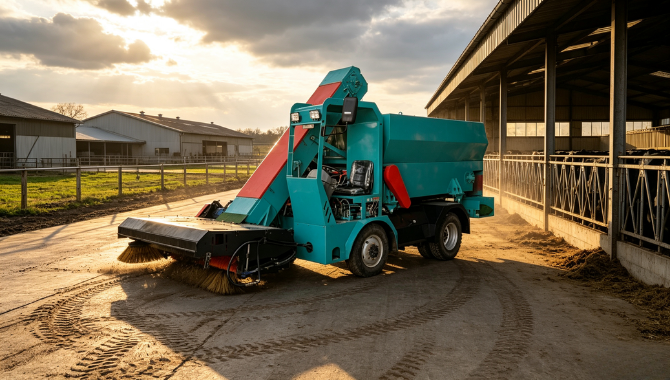
Inside the Leftover Feed Collector: Scraper, Brush and Drive
A leftover feed collector earns its keep in the details, and the Goldilocks machine is built around three working systems. The collection system uses a front scraper and brush to sweep the bunk surface and lift the residue into the cart body. The scraper does the heavy lifting against packed feed, while the rotating brush polishes the surface and carries fine particles in, so the alley is left genuinely clean rather than roughly raked. The control system is fully hydraulic and automatic, which keeps the operation simple and the response immediate, whether the operator is moving, scraping or unloading. The walking system uses main hydraulic stepless-speed transmission combined with a torque converter, delivering smooth, adjustable movement in the tight space of a feed alley.
Front-wheel steering and rear-wheel guidance make positioning precise, so the collector follows the bunk line without constant correction. Because the machine collects first and can spread later, it also doubles as a delivery tool, a feature the brochure describes as one machine for multiple uses. For daily bunk hygiene and feed recovery, these three systems working together make the difference between a clean routine and constant cleanup work.difference between a clean routine and constant cleanup work. The collector also handles wet silage and stemmy hay without clogging, because the scraper and brush are sized to the cart body and the hydraulic flow matches the load.
The Economics of Feed Recovery with a Leftover Feed Collector
Feed waste is a silent cost that shows up at the end of the season, not on any single invoice. A Goldilocks leftover feed collector turns that hidden cost into recoverable value. Every day, a dairy barn leaves a percentage of delivered feed in the bunk, from silage stems and hay stems to spilled concentrate. Left in the alley, that feed spoils, attracts pests and has to be removed by hand.
Collected promptly, the same material can be re-fed or redirected, recovering real dollars from the feed budget. The machine makes collection a one-operator job: automatic hydraulic control runs the scraper and brush, the cart gathers the residue, and the operator moves on to the next pen. Because the walking system combines hydraulic stepless-speed transmission with a torque converter, the machine moves through the alley quickly and smoothly, so cleaning does not steal time from feeding. The same cart can then spread the collected material, matching the brochure’s one-machine-multiple-uses design. Farms that collect daily report less mold, fewer flies, cleaner bunks and measurable savings in purchased feed. The collector does not create new feed; it simply stops throwing existing feed away.feed away.
The saving is easiest to see on large dairies, where a small percentage of daily waste adds up to whole tons across a season. Buyers usually ask about the walking system, and the answer is simple: hydraulic stepless-speed transmission with a torque converter, plus front-wheel steering and rear-wheel guidance, keeps the machine fast and precise in any alley.
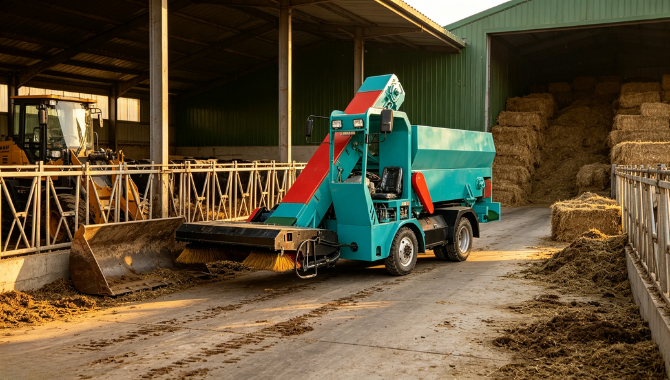
Building the Goldilocks Feed Alley: A Full Barn Feeding System
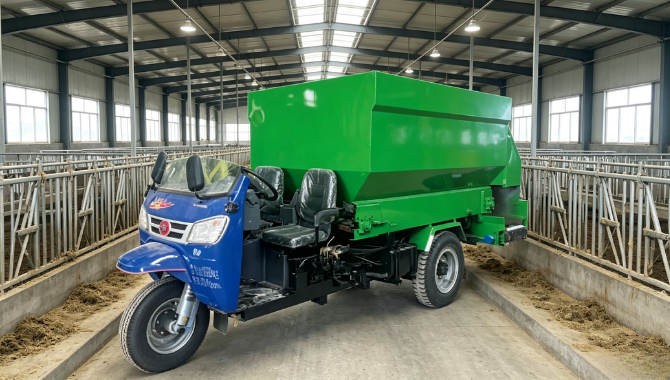
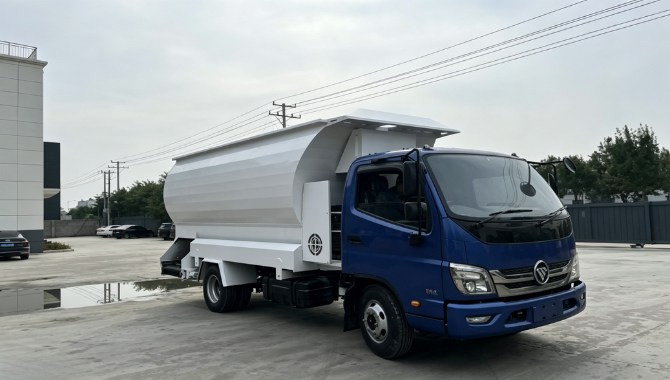
The feed alley is where a farm’s daily production is won or lost, and a complete feeding system keeps every step in sync. Goldilocks builds that system around three machines that share one standard. The spreader cart delivers the ration: electric 9SL-3 for quiet, low-cost daily feeding, diesel 9SL models for heavy silage loads, all with fully hydraulic spreading that lays down even batches along the bunk. The leftover feed collector follows the same alley: automatic hydraulic control drives the front scraper and brush, the cart gathers uneaten feed, and the one-machine design spreads again after collecting, so cleanup becomes part of feeding instead of a separate chore. The heated water trough closes the loop on the third daily essential, keeping drinking water at a constant temperature so intake holds through winter. When the three are sized together, capacity matches, spare parts are common and one operator can manage the whole feed alley.
Goldilocks also helps with the details that make the system run: recommended model selection per herd size, battery and fuel planning, trough placement along the pen line and a first-service parts kit to keep on hand. The factory ships with manuals and video support, so setup does not stall at the busiest time. With 2009 roots and certified quality since 2015, Goldilocks builds the feed alley as a system, not a collection of machines. Send your barn layout and herd details, and let us complete your feed alley.details, and let us complete your feed alley. The factory also provides the operating habits that make the system last: daily checks, weekly greasing, winter preparation and the spare parts to keep on the shelf. New buyers receive a start-up checklist with the machine, and the after-sales team stays on call by message, phone or video. Whether you run thirty cows or three thousand, the feed alley works the same way: spread, collect, water, repeat. That is the Goldilocks system, and it starts with one message.
More Features for Product
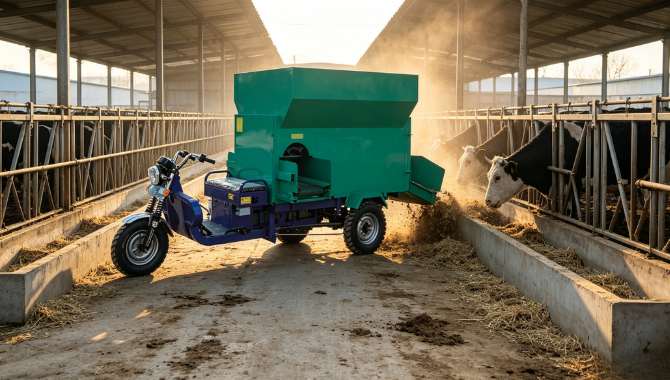
Barn equipment should pay for itself, not just look good in the yard. Spreader carts place feed in controlled batches, reducing spillage and keeping the ration consistent. Leftover feed collectors sweep the alley and recover uneaten feed, turning daily waste back into feed budget. Electric spreader models run on batteries at low cost, while diesel models deliver heavy tonnage. Together, the machines replace hand feeding and shovel work, cutting labor hours at every feeding. Farms that mechanize the feed alley typically see the equipment recover its cost through saved feed and saved labor within the season, which is the simplest way to judge any barn investment.simplest way to judge any barn investment. The savings are visible in the routine: a cleaner bunk after feeding, less time spent moving feed by hand, fewer manual workers at the feed alley. Waste that used to go into the manure pit now returns to the herd, and the electricity bill for an electric spreader is a fraction of the fuel bill for the old wagon. Farms that track their feed costs usually see the payback line move in the right direction within the first season.place.
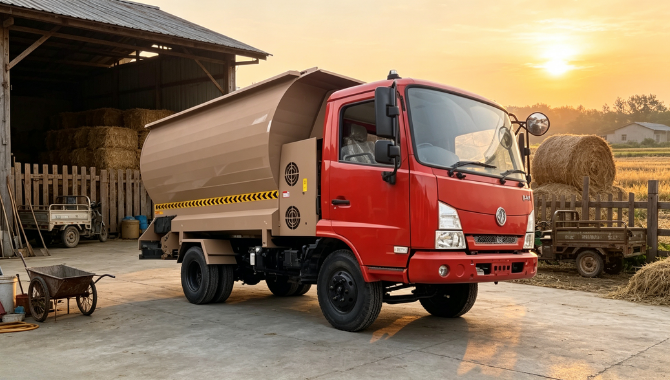
Goldilocks builds the three machines that run a barn’s daily routine: spreader carts, leftover feed collectors and heated water troughs. Buying them from one factory means matched capacity, common spare parts, one operating standard and a single service contact. The 9SL spreader series covers electric and diesel models from 3 to 12 cubic meters, collectors handle alley cleanup and feed recovery, and heated troughs protect winter intake. Instead of juggling different brands, manuals and warranties, the farm works with one maker that designed the equipment to run together. That is what makes a complete feed alley easy to own.That is what makes a complete feed alley easy to own. The factory also helps with the planning before the purchase: model selection by herd size, power planning for electric or diesel models, trough placement along the pen line and a suggested spare parts kit for the first season. One quote covers the whole feed alley, one shipment brings the machines together, and one warranty covers the equipment that runs the barn. That simplicity is a real saving, because every hour spent coordinating suppliers is an hour not spent on the farm.
Technical Parameters
| Model | Dimensions (L×W×H) | Rated Power | Power Type |
|---|---|---|---|
| 9SL-3 Electric Feed Spreader | 3600×1450×2000 (mm) | 72V | 6 Batteries |
| 9SL-3 Silage Spreader | 4700×1800×2200 (mm) | 25 HP | Diesel |
| 9SL-7 Silage Spreader | 4900×1800×2400 (mm) | 25 HP | Diesel |
| 9SL-12 Silage Spreader | 5800×2000×2500 (mm) | 90 HP / 130 HP | Diesel |
Related Products
Alternative Names
Spreader Cart:feed spreader cart / cattle feed wagon / silage spreader cart / TMR spreader wagon / livestock feeding cart / hydraulic feed spreader / electric feed cart / self-propelled feed wagon / feed delivery cart for dairy / feed cart for cattle farm / silage feeding cart / diesel feed spreader / battery feed cart / cow feed wagon / feed bunk spreader / tractor feed wagon alternative / farm feed delivery machine / 9SL feed cart / hydraulic spreader cart cattle / feed cart for beef cattle
Leftover Feed Collector:leftover feed collector / feed bunk cleaner / feed residue collection cart / feed sweeping machine / bunk alley cleaner / feed recovery wagon / cattle feed collector / feed alley cleaning machine / leftover silage collector / feed scraping cart / hydraulic feed collector / feed bunk brush scraper / uneaten feed collection / dairy barn feed cleaner / feed cleanup machine / feed alley sweeper / feed waste collector cattle / silage leftover cart / feed collecting and spreading machine / barn feed residue remover
Heated Water Trough:cattle water trough / heated water trough / automatic waterer cattle / stainless steel water trough / thermostatic drinker livestock / livestock water tank / anti-freeze water trough / barn water trough / cow waterer farm / heated livestock waterer / automatic livestock drinker / winter water trough cattle / farm water trough / constant temperature water trough / cattle drinking fountain / sheep water trough / dairy barn waterer / electric heated water trough / livestock water trough for sale / cattle water bowl
Send Your Inquiry Now
 English
  Русский
  Español
  Français
  Português
  Tiếng Việt