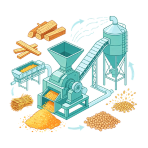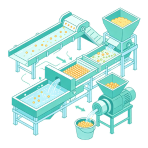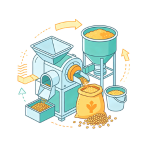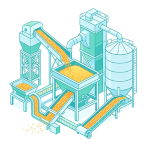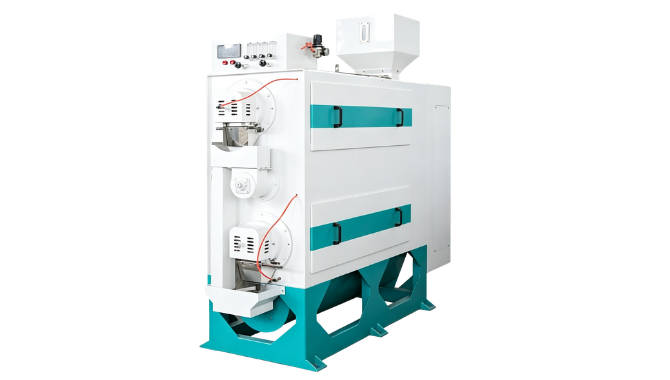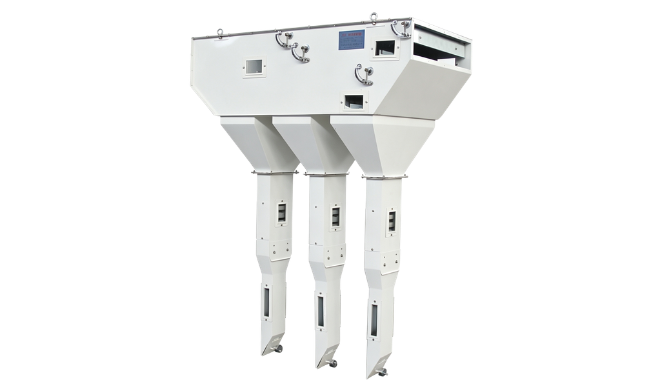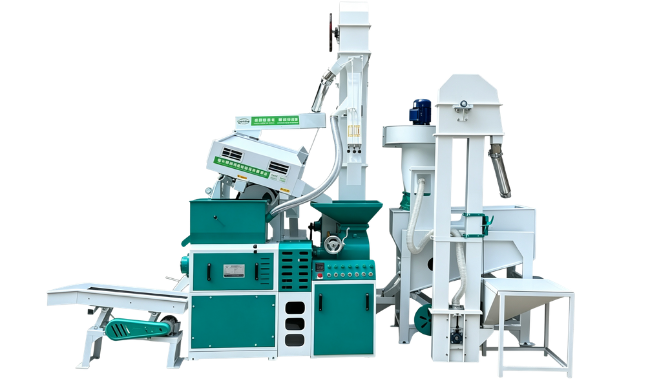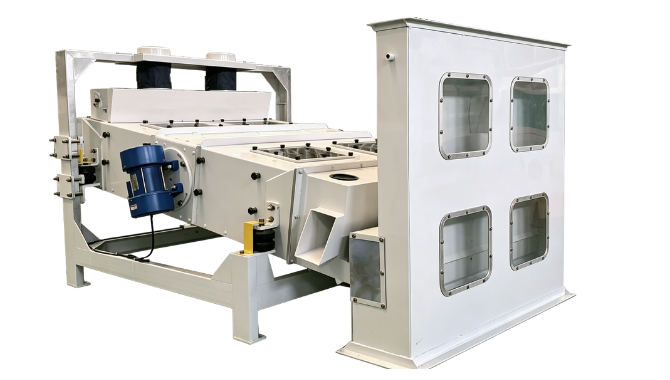


TGFY Rotary Airlock Series for Mills

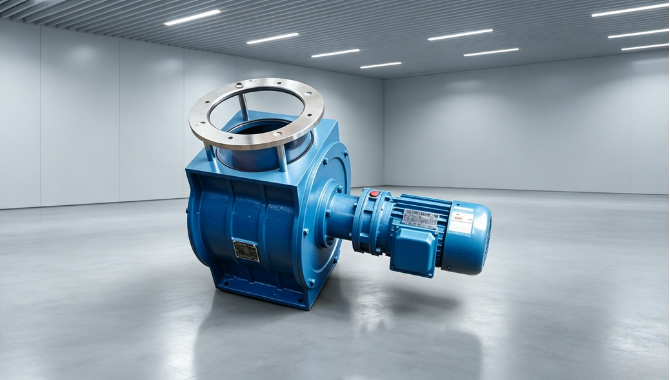
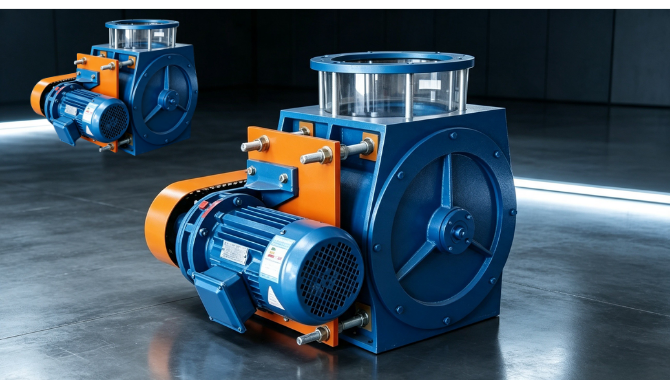
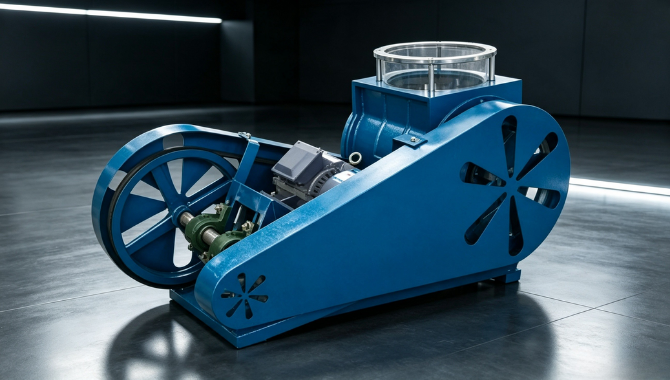
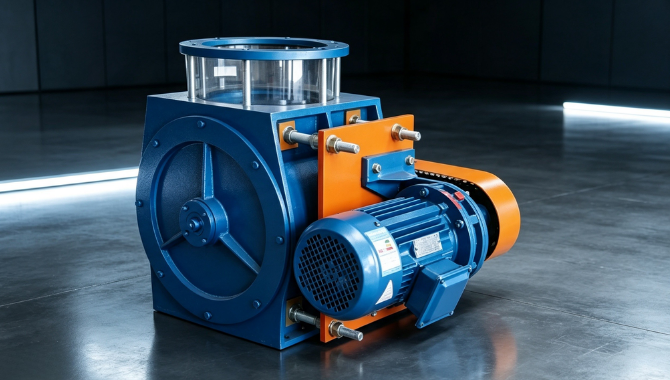
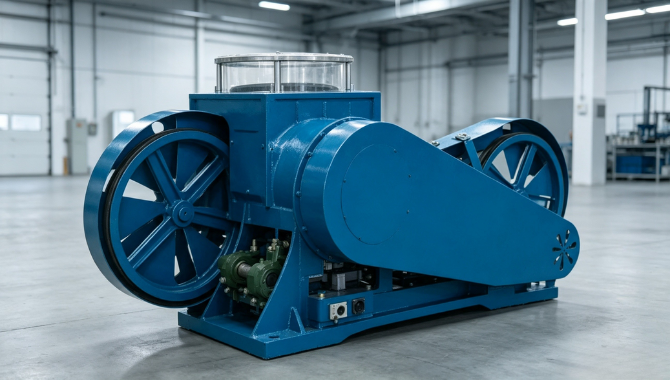
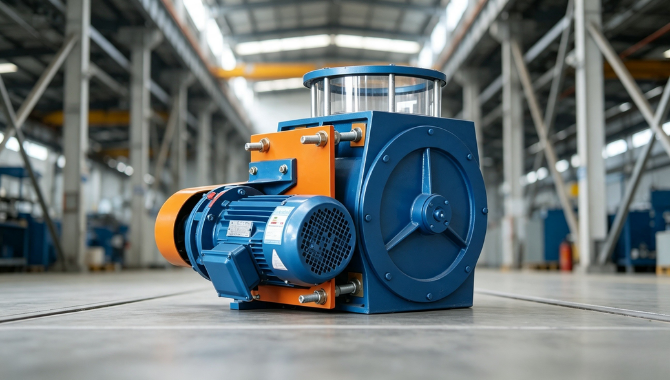
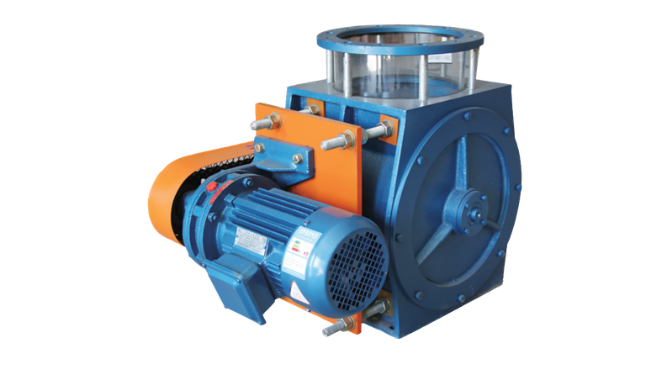
The Goldilocks TGFY series is a complete range of rotary airlocks built for the sealing discharge jobs of a processing plant. Nine models from 2.8L to 40L cover the pockets that pneumatic conveying and dust collection networks need, discharging material while keeping the system airtight. Each model comes in TGFYG and TGFYB versions with published power ratings from 0.55 to 2.2 kilowatts and weights from 60 to 285 kilograms, so the plant matches the airlock to the line. The rotor pockets meter material steadily, the seals keep the air pressure in the system, and the simple construction keeps maintenance an ordinary mill job. Built at the Goldilocks factory in Hunan, test-run and shipped with a manual and parts list that match the model, the TGFY series keeps the conveying and dust systems working as one. The series keeps the discharge end of the air system honest. That is its job.

Rotary Valve for Pneumatic Conveying

A pneumatic conveying line only works when the air pressure stays where it belongs, and the Goldilocks TGFY airlock is the part that keeps it there. The series seals the discharge point while material passes through, so the system holds its pressure and the material moves without backflow. Nine models from 2.8L to 40L match the pocket volume to the conveying rate, with power from 0.55 to 2.2 kilowatts across the range. The rotor turns steadily, the housing keeps the seal, and the simple construction makes the airlock easy to inspect and service between seasons. Each model ships with a manual and parts list that match it by number, so spares are ordered without guesswork. For a mill that runs a conveying network, the TGFY series is the quiet part that keeps the whole system honest. The airlock turns with the line and seals with the pressure. Simple and steady.

Application Fields & Scenarios

The TGFY airlock seals the discharge points of rice mill conveying lines, letting grain pass through in steady pockets while the system holds its pressure. Nine models from 2.8L to 40L match the conveying rate.
Mounted under cyclones and baghouses, the airlock meters collected dust out in steady pockets while the rotor keeps the seal. Small models serve single dust points; large ones handle whole-floor systems.
Feed plants use the TGFY series on pneumatic lines that move meal and pellets, keeping the pressure in and the material moving. The dusty-duty construction suits the feed room.
The airlock discharges grain from conveying and aeration systems in silo plants, with pocket volumes sized to the flow and simple construction for limited staff.
Flour and food plants run pneumatic systems that need airtight discharge. The TGFY series meters flour and granular foods out without letting pressure escape.
The TGFY series handles granules and powders in chemical and light industrial plants, with the rotor and housing built for abrasive and dusty materials.

Rotary Airlock for Pneumatic Conveying Lines
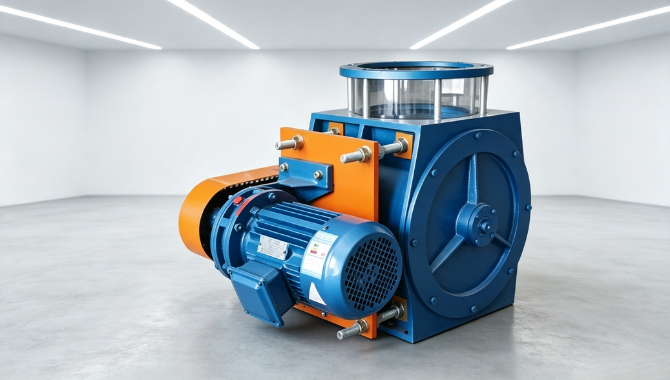
A pneumatic conveying line only works when the air pressure stays where it belongs, and the Goldilocks TGFY airlock is the part that keeps it there. Mounted at the discharge point, the airlock lets material pass through in steady pockets while the rotor keeps the seal, so the system holds its pressure and the material moves without backflow. Nine models from 2.8L to 40L match the pocket volume to the conveying rate, with power from 0.55 to 2.2 kilowatts across the range. The plant picks the model from the same numbers it used for the blower, so the conveying side stays in step. The housing and rotor are built for dusty duty, and the simple construction keeps the airlock easy to inspect and service. Test-run and shipped with matching documentation, the TGFY series keeps the conveying network honest. The airlock turns with the line and seals with the pressure, so the plant does not watch for backflow. For a mill with a long conveying run, the TGFY holds the pressure at every discharge point. The table does the sizing on paper. The machine follows the plan. The catalog covers it. Simple and steady.

Airlock Under Cyclones and Baghouses

A dust collector collects dust continuously, and it has to discharge that dust without letting the system’s pressure out. The Goldilocks TGFY airlock series does exactly that job. Mounted under cyclones and baghouses, the airlock meters the collected dust out in steady pockets while the rotor keeps the seal, so the collector keeps working and the dust stays out of the air. Nine models from 2.8L to 40L cover small dust points and whole-floor systems, with power from 0.55 to 2.2 kilowatts. The housing and rotor are built for dusty duty, and the simple construction keeps cleaning and maintenance short. Because the same catalog lists the collectors and the airlocks, the plant sizes the discharge end from the same numbers it used for the collector. Built, test-run and shipped with matching documentation, the TGFY series is the dependable discharge end of the dust system.
The airlock works with the collector, not against it, so the system keeps its pressure and its duty. For a plant with a whole floor of dust points, the 40L is the discharge end that keeps up. The small models cover the corners. The large ones carry the load. That is the range. One catalog does it. The factory answers it.

How a Rotary Airlock Keeps the System Sealed
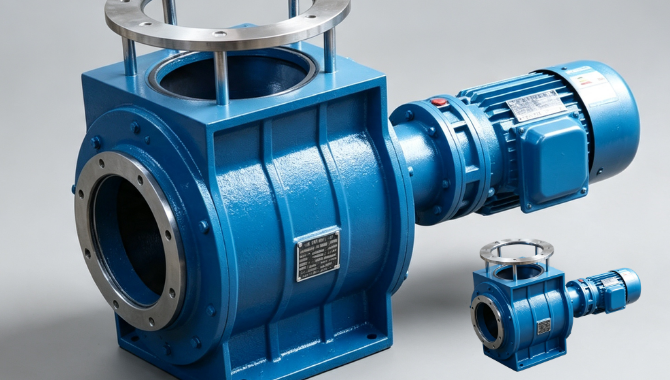
The job of an airlock is simple to state and hard to do well: let material out without letting air in. The Goldilocks TGFY series does it with a rotor that turns inside a tight housing. As the rotor turns, its pockets fill with material at the top and empty at the bottom, so material moves through continuously while the rotor itself blocks the air path. The clearance between the rotor and the housing is the seal, and the TGFY construction holds that clearance through dusty duty and long running hours. Nine models from 2.8L to 40L match the pocket volume to the material flow, with power from 0.55 to 2.2 kilowatts.
The simple design keeps the rotor, the seals and the bearings as the only parts that ever need attention. Test-run and shipped with matching documentation, the TGFY airlock is the quiet seal that keeps the whole system working. The material moves through continuously, the air stays in the system, and the pressure does not leak at the discharge. For a plant that runs a long conveying season, that seal is the part that matters most. The clearance is checked between seasons. The seals are replaced by number. The rotor stays true. That is the seal story. It is built into the series.v

Choosing the Right TGFY Airlock Volume

The most common airlock mistake is picking a pocket size by feel, and the Goldilocks TGFY series makes the right choice easy. The nine models step through volumes of 2.8, 5, 7, 9, 12, 16, 25, 30 and 40 litres per revolution, so the gap between one airlock and the next is small enough to match the material flow without overbuying. A small dust point takes the 2.8L or 5L; a whole conveying network takes the 25L, 30L or 40L. The plant can start from the conveying rate or the dust load, and pick the model from the table. Because the same catalog lists the blowers and the airlocks, the discharge side is planned with the same numbers as the conveying side. Each airlock ships test-run with a manual that matches the model number. For a growing mill, the series leaves room to step up one model instead of replacing the whole system. The table turns selection into a simple matching exercise, and the factory confirms the model against the actual duty. For a mill that is growing, the next model up is a known step, not a gamble. The volumes are published for every model. The choice is on paper. The machine follows. That is the selection story. It is the same on the second order. The series grows with the plant.

Rotor and Seal Built for Dusty Duty

An airlock works in the dustiest corner of the plant, and the parts that touch that dust have to last. The Goldilocks TGFY series builds the rotor and housing for exactly that duty. The rotor turns inside a tight housing with a controlled clearance, metering material pocket by pocket while holding the air seal. The seals are simple to inspect and replace, the bearings are standard mill parts, and the construction tolerates the abrasive dust that comes with grain and feed. Nine models from 2.8L to 40L cover the range of dust loads, with power from 0.55 to 2.2 kilowatts. The factory publishes the parts list by model, so a worn rotor or seal is ordered by number and shipped without guesswork.
Each airlock is test-run before export packing, with documentation that matches the model. For a plant that runs the dust system through the whole season, the TGFY series is built to last the season and the next one. The factory also checks the rotor clearance before the machine leaves, so the seal is right from the first day. For a plant that runs the dust system all season, the seal is the part that cannot fail quietly. A small check between seasons catches a problem before it becomes a leak. The seals are standard parts ordered by number. The bearings are standard mill parts. The rotor is machined to the clearance. The housing is painted after welding. The test-run proves the duty. That is the durability story. It is built into the series. From the smallest to the largest. The same idea holds. Season after season. The TGFY delivers it.

Airlock Value for a Plant Budget

An airlock is a small part of a plant budget, but it guards the performance of the blowers and collectors around it, so getting it right matters twice. The Goldilocks TGFY series keeps the purchase simple: published volumes, power ratings and weights, factory-direct pricing and a catalog that lets the buyer match the model to the system without a consultant. The simple rotor and housing construction keeps the machine affordable to maintain, with the rotor, seals and bearings as the only parts that ever need attention. Because the same factory builds the air system, the spare parts follow one system and one parts list. Each airlock ships test-run, so the machine arrives ready to run rather than needing a service visit. For a plant that compares machines on paper, the TGFY series gives honest specifications, honest packing and honest support at a factory-direct price. Over a decade of exports has kept this value stable, and the value is why the series stays in the catalog. The factory-direct price is one thing; the documented machine is another, and both come in the same order.
For a buyer comparing quotes, the manual and parts list that match the model close the deal. The test-run before packing is the quality the price cannot show. Together they make the value easy to see on paper. That is the value story of the series. It is also the reason buyers return. A decade of exports proves the point. The airlocks stay in the catalog. They earn their place. Model after model. The factory keeps the promise. The price stays honest. That is the Goldilocks way. Buyers notice. And come back. Season after season.

More Features for Products

A plant buys an airlock because it needs a specific discharge rate, and the Goldilocks TGFY series is built to deliver exactly that. The nine models step through volumes of 2.8, 5, 7, 9, 12, 16, 25, 30 and 40 litres per revolution, so the gap between one airlock and the next is small enough to match the flow without overbuying. The smallest models serve small dust points; the largest feed whole conveying networks. All of them share the same simple rotor and housing construction, the same mounting pattern and the same catalog, so a plant that knows one TGFY airlock knows the series. The factory publishes the volume, power and weight for every model and version, so the choice is made on paper before the machine arrives. From a first small discharge point to a full plant air system, one series grows with the mill. The series grows with the mill, because the next model up is a known step. That is the flexible part of the range. And it is what buyers ask for. The catalog makes it simple.
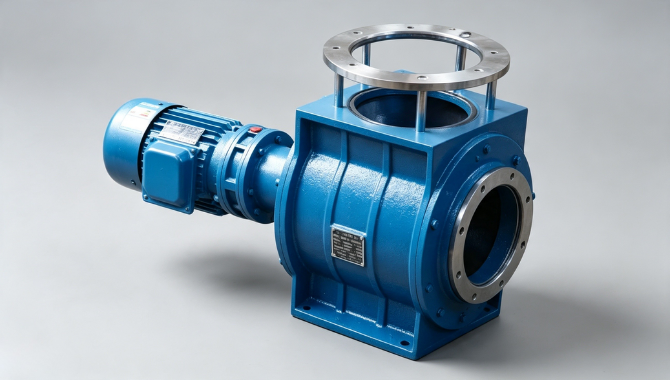
When a mill buys its airlock from the same factory that builds its blowers and collectors, the air system stops being a collection of parts. The Goldilocks factory in Hunan builds the TGFY series on the same floor as the blowers, collectors and conveying stages, so the airlock shares the catalog, the documentation and the support network with the system it serves. The plant sizes its discharge points from the same numbers it used for the blowers, and the rotors, seals and spares follow one system. Each airlock is test-run before export packing, with a manual and parts list that match the model. Buyers work directly with the factory: published specifications, English manuals by model and spare parts ordered by number. One catalog, one standard and one team behind the whole plant. The same people quote the machine, build it and answer after delivery, so the buyer deals with one accountable team. That keeps the questions few and the answers accurate. It is the factory-direct difference in practice. And it is why buyers stay with the catalog. One system, one standard.

Technical Parameters
ModelVolume (l/r)Power (kW) TGFYGPower (kW) TGFYBWeight (kg) TGFYGWeight (kg) TGFYB
2.8L2.8/0.55/60
5L5/0.75/70
7L70.750.7511885
9L91.11.1137105
12L121.11.1156120
16L161.11.1175135
25L251.1/1.51.5220150
30L301.5/2.21.5250170
40L402.22.2285200
Rotary Airlock Factory Direct From China
The Goldilocks factory in Hunan sells the TGFY airlock series directly to mills and plants around the world, skipping the resellers who add cost and slow answers. Every model from 2.8L to 40L ships with a published volume, power rating, weight and a manual that matches the machine by model number. The same factory that test-runs each airlock answers the buyer’s questions from the first quotation to the fifth year, by message and video, in English. Spare parts are ordered by model number against a published list, so a worn rotor or seal is identified and shipped without guesswork. A decade of exports has built this routine, and the routine is why a first order is simple and a repeat order easier. When the airlock is the small part that keeps a big system running, a direct line to the factory is exactly the right answer. The routine keeps the answers short.
  • “We bought the 5L for a small dust point and it has run every shift since. The rotor meters fines out cleanly, the seal has not leaked in a year, and the factory shipped a spare seal by number without questions.”
  • “Our old airlock leaked air for a year before we gave up on it. This 16L sealed up on day one and the pressure gauge has not moved since. I am not a fan of change, but I am a fan of this.”
  • “I have sold airlocks for six years. The TGFY series is the one my customers come back for. No warranty calls, no “it arrived broken” messages. I keep a 7L and a 12L in stock and I order again before they run out. They sell themselves. Easy margin.”
  • “The crate arrived with the machine strapped down, the rotor blocked against movement, and the manual taped on top. Took us an afternoon to unpack and mount. After a year of dust duty, it still runs like the day it arrived.”
  • “My little polishing line only needed a small airlock, so I got the 2.8L. It has been on that dust point for a year, never jammed, never leaked. For a small shop like mine, that little thing does its job and stays out of the way.”

Alternative Names:

rotary airlock / rotary airlock valve / airlock manufacturer / airlock factory / airlock supplier / airlock price / rotary valve / rotary valve manufacturer / rotary valve price / airlock valve for pneumatic conveying / pneumatic conveying airlock / pneumatic conveying rotary valve / airlock for dust collector / dust collector airlock / dust collector rotary valve / rotary airlock for cyclone / baghouse airlock / airlock for rice mill / rice mill airlock / airlock for grain plant / grain plant airlock / airlock for feed mill / feed mill airlock / rotary airlock 2.8L / rotary airlock 5L / rotary airlock 7L / rotary airlock 9L / rotary airlock 12L / rotary airlock 16L / rotary airlock 25L / rotary airlock 30L / rotary airlock 40L / rotary airlock 0.55kw / rotary airlock 1.1kw / rotary airlock 1.5kw / rotary airlock 2.2kw / airlock sealing discharge / rotary feeder valve / rotary feeder / star valve / star feeder / rotary discharge valve / rotary lock / airlock rotor / airlock seals / airlock bearings / airlock spare parts / airlock after-sales / rotary airlock manufacturer in China / airlock exporter / airlock factory direct / airlock for pneumatic system / rotary valve for dust removal / rotary airlock 380v / rotary valve for flour mill / flour mill airlock / airlock for conveying system / best rotary airlock / rotary airlock series / airlock volume per revolution
Send Your Inquiry Now
en_USEnglish
滚动至顶部