


Complete Silage Machines for Every Farm
From feeding out a clamp in minutes to grinding straw into palatable feed and packing automatic silage bales, Goldilocks builds the silage equipment your farm actually uses every day. Our silage feeder machines work with any standard bunker or clamp silo, run on independent hydraulic systems, and can be electrically driven to keep operating costs low. The straw crusher series turns corn stalks, wheat straw, hay and crop residues into fine, uniform forage with sharp rotor blades and long-life chain feeding. The fully automatic silage baler completes the line, pressing and wrapping forage so it ferments cleanly and stores without waste. One supplier, one complete silage processing line, and spare parts that come from the same factory. Whether you run a small dairy, a beef unit or a large feedlot, Goldilocks has the silage machine sized for your silo, your crop and your daily routine. Ask us for a machine match based on your herd and storage method.
Clean Silage Faces, Healthier Cows
A clean, flat silage face keeps oxygen out, stops secondary fermentation, and protects the feed value you spent a whole season building. Goldilocks silage feeder machines cut the clamp face fast and evenly, so every bite your cows take is fresh, well-sealed and stable.Independent hydraulic drive gives smooth, precise control at the silo, while the belt delivery system replaces traditional chains that rust, stretch and fail. Electric drive options cut feed-out costs, and the low-oil hydraulic station means less maintenance and fewer breakdowns. The result is higher silage quality, steadier intake, fewer digestive upsets and a lower sickness rate in the herd. Add a Goldilocks straw crusher to open up long-stem fiber, or an automatic baler to preserve surplus forage, and your whole feed chain stays fresher from clamp to trough. Protect your silage. Protect your herd. Ask Goldilocks for a recommendation today.
Products Introduction
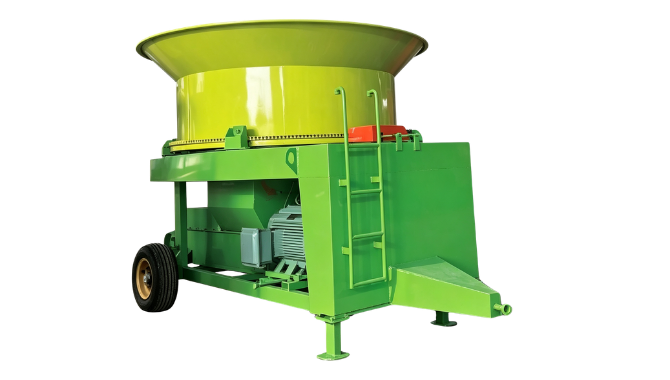
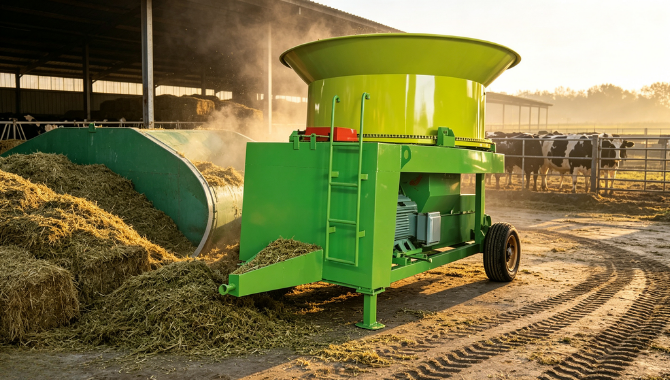
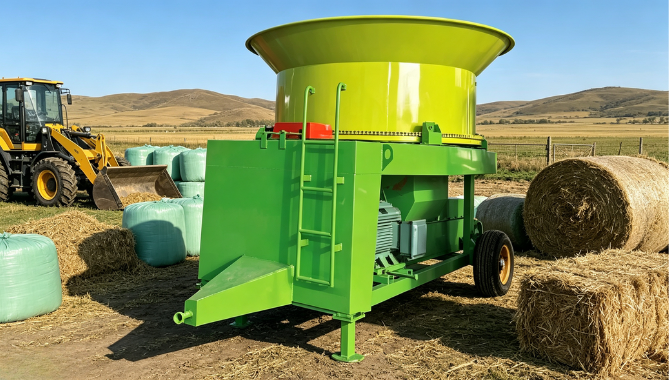
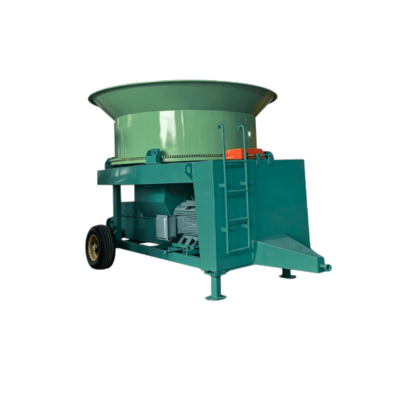
The Goldilocks straw crusher processes wheat straw, corn stalks, hay and crop residues into uniform chop for dairy, beef and mixed rations. Its body is welded from steel plate forgings and cast steel for durability and easy moving, while the sprocket-and-chain feeding device, made from specially treated materials, delivers high torque and even flow. Sharp rotor blades with diversified matching options achieve high crushing efficiency, and overload protection guards the machine through tough batches. A dependable choice for feed rooms of every size.
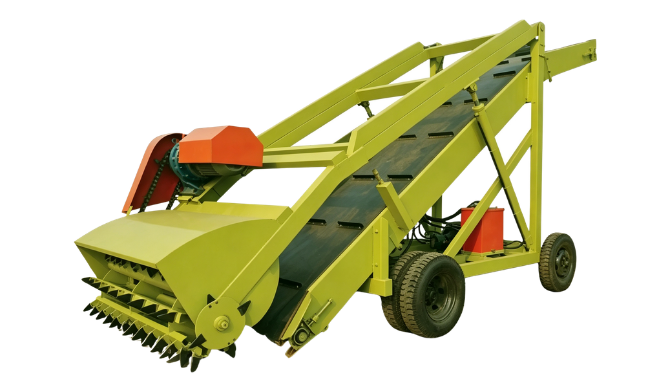
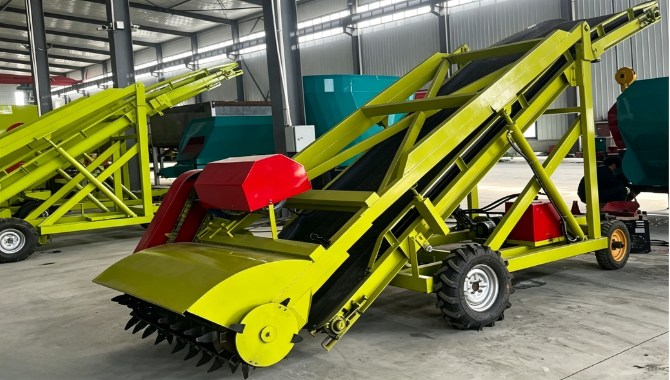
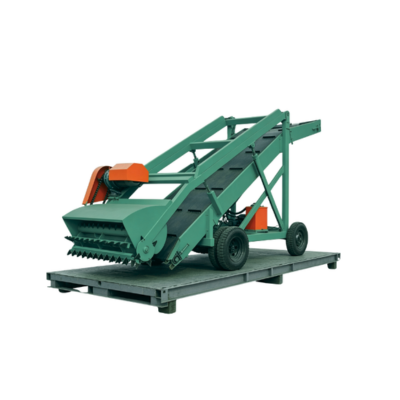
The Goldilocks silage feeder machine cuts a clean, even face from any standard bunker or clamp silo, protecting feed quality by limiting secondary fermentation. It runs on an independent hydraulic system with a self-filtering pump station, needs only a small amount of oil and offers electric drive options to lower running cost. A belt conveyor replaces rusting chains, cutting maintenance and breakdowns. Suitable for silos of various sizes, it reduces labor and feed-out time while keeping the silage fresh for the herd.
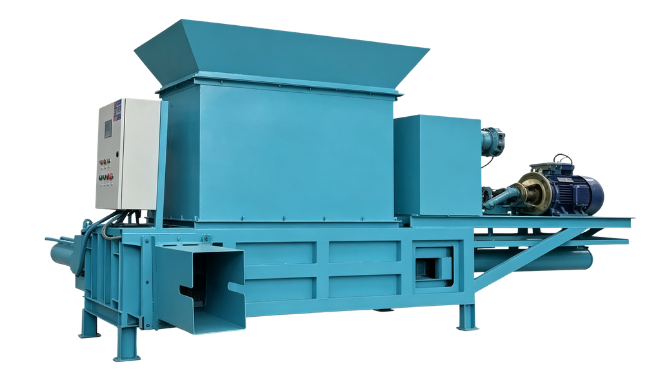
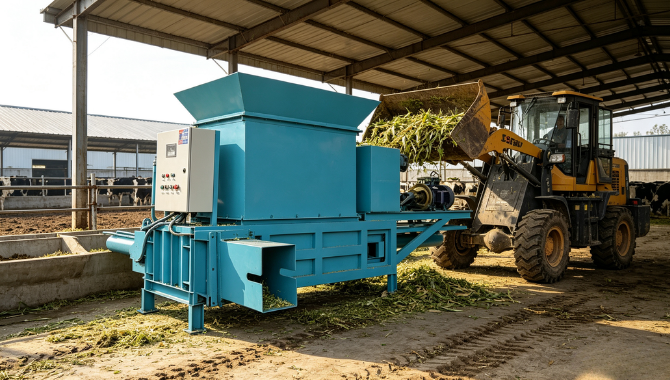
The Goldilocks fully automatic silage baler presses surplus grass, alfalfa, corn stalks and straw into dense bales and wraps them on the spot, creating anaerobic conditions that preserve feed for months. Automatic operation means one operator can pack and wrap what used to require a crew, saving labor at the busiest time of the season. The wrapped bales store anywhere, stack cleanly and feed out as well as fresh silage when the clamp runs low. A practical way to turn seasonal surplus into year-round feed.
Belt Conveyor vs Chain: Why Our Silage Feeder Lasts Longer
The oldest failure point on a silage feeder is the delivery system, and the classic culprit is the steel chain. Chains carry silage out of the machine, but they also rust, stretch, bind and break, especially in the acidic, wet conditions of a clamp face. Repair is costly, and every hour offline is an hour your feeding schedule slips. Goldilocks silage feeder machines replace chain delivery with a belt conveyor, and the change adds up over a season. A belt carries material smoothly and continuously, does not corrode from silage juice, and keeps its tension without constant adjustment. With fewer moving metal parts in contact with feed, maintenance drops and breakdowns become rare. The belt also handles the chopped silage gently, reducing damage and keeping the feed uniform as it moves toward the wagon or trough. Pair that with the independent hydraulic system and self-filtering pump station, and you have a feed-out machine that keeps working when cheaper units are in the shop. Farms that have switched from chain machines report fewer weekend repairs, less silage waste and a calmer feeding routine, which is exactly what the belt conveyor was built to deliver. For farms that feed twice a day, year-round, the belt conveyor is the quiet upgrade that pays for itself in uptime and repair bills.
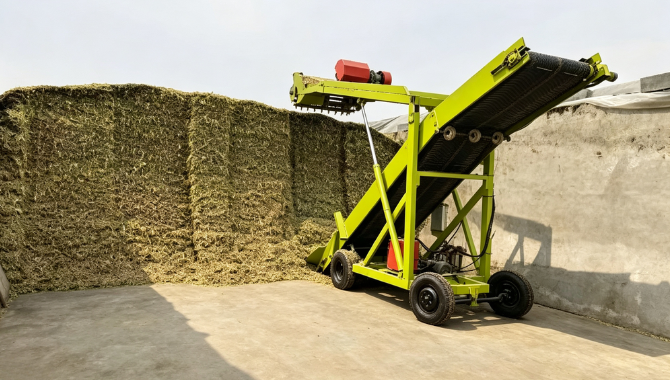
One Machine for Every Silo: Bunker and Clamp Compatibility
Silos come in every shape: small bunkers, long drive-over clamps, narrow pits and wide stacks with hard-packed faces. Buying a silage feeder that only fits one layout forces you to manage your storage around the machine, which is backwards. Goldilocks silage feeder machines are designed to work with silos of various sizes, which is a stated feature of the line rather than an afterthought. The cutting head adjusts to the working width and reach of your clamp, the all-hydraulic drive keeps control smooth as you move along the face, and the belt conveyor loads feed into a wagon or trough without blockages. Because the machine carries its own independent hydraulic system, it does not depend on tractor hydraulic specifications, so it can move between different silos on the same farm or be shared between facilities. Electric drive options suit farms with fixed power at the silo, while hydraulic power handles tough faces when needed. Whether you feed from one long clamp or rotate between several storage sites, the Goldilocks silage feeder adapts to the silo, not the other way around. Delivery and installation are coordinated around the feeding calendar, and the factory explains power requirements, positioning and first cuts before the machine leaves the yard. Measure your silo, tell us the dimensions, and we will confirm the right configuration.
Inside the Goldilocks Straw Crusher: Frame, Feeding and Overload Protection
A straw crusher works harder than almost any machine in the feed room, and its value depends on details you cannot see from the outside. The Goldilocks straw crusher series is built around four elements: the frame, the grinding unit, the feeding device and overload protection. The body is welded from steel plate forgings and cast steel, which keeps the machine rigid, durable and easy to move around the yard. The feeding device uses a sprocketand-chain transmission made from specially treated materials, giving it a long service life and steady, high-torque delivery that keeps material moving evenly into the rotor. The rotor blades are sharp and designed for diversified blade matching, so operators can pair blades to suit different crops and moisture levels, from dry wheat straw to tough corn stalks.
Overload protection stands guard when a foreign object or an overloaded batch threatens the mechanism, limiting damage before it becomes a repair bill. The result is high crushing efficiency, uniform particle size and less downtime in a machine that keeps working season after season. Even a good crusher earns its keep only if it runs when you need it, so the Goldilocks line keeps service simple: filters and blades are easy to reach, the frame is built to take hard use, and spare parts ship from the same factory that made the machine. That combination is why the series stays productive season after season, from small family farms to large feedprocessing operations.
Why Chopped Straw Improves Intake, Digestion and Milk Yield
Long, coarse straw is hard for cattle to eat efficiently. Cows sort through it, waste piles up at the trough, and the rumen works overtime to break down fibers that were never opened up. Chopping straw and crop stalks into uniform pieces changes that equation. A Goldilocks straw crusher processes wheat straw, corn stalks, hay and crop residues into consistent chop, which improves intake because animals can eat the whole mix instead of picking through it. Smaller, more uniform particles also increase the surface area available to rumen microbes, supporting digestion and steady dry-matter intake.
When straw is chopped into a TMR or mixed ration, the fiber works the way it should: enough structure to keep the rumen healthy, fine enough to be digested quickly. Farms feeding chopped straw typically see better feed efficiency and steadier production, because the ration is actually consumed, not sorted. Farms also notice cleaner troughs and less sorting behavior, because the ration stays consistent from one batch to the next. The crusher handles wet and dry material alike, so spring grass, summer hay and autumn stalks all flow through the same machine without changing setup.
The crusher’s sharp rotor blades and multi-matched blade options let you set the chop length for your herd, while the long-life chain feeding device keeps output steady batch after batch. It is a small change in the feed room with a large effect on the bottom line. Add a Goldilocks crusher to your feed room and every bale works harder for your cows.
Preserving Surplus Forage with an Automatic Silage Baler
Every farm produces more forage than it can feed fresh at least once a season. Left loose, that surplus rots, heats and loses the quality you paid to grow. An automatic silage baler turns the problem into an asset by pressing forage into dense bales and wrapping them on the spot, creating the anaerobic conditions that preserve feed for months. Goldilocks offers a fully automatic silage baler that fits this job into the everyday routine: forage goes in, compact bales come out, and the wrapping keeps air and moisture out of the stored feed. Because the machine is automatic, one operator can pack and wrap surplus grass, corn stalks, alfalfa or straw without a large crew, which saves labor exactly when harvest season is busiest. The baled, wrapped product is easy to stack, easy to move and easy to feed later, reducing storage losses compared with uncovered piles. For farms that already run Goldilocks silage feeders and straw crushers, the baler completes a matched line: feed out what you need today, preserve what you cannot feed, and open the wrapped bales when the silo runs low. Buyers should ask about bale dimensions, output per hour and power requirements before ordering, so the baler matches the crop area and the farm’s power supply.
The Goldilocks factory provides these details and configures the machine for the material you actually harvest, from wet grass to dry straw. That planning turns a good machine into a dependable season. For farms that sell feed, the wrapped bales also open a simple path to market, because bales travel, store and sell far more easily than loose forage.
Building a Complete Silage Line with Goldilocks Machines
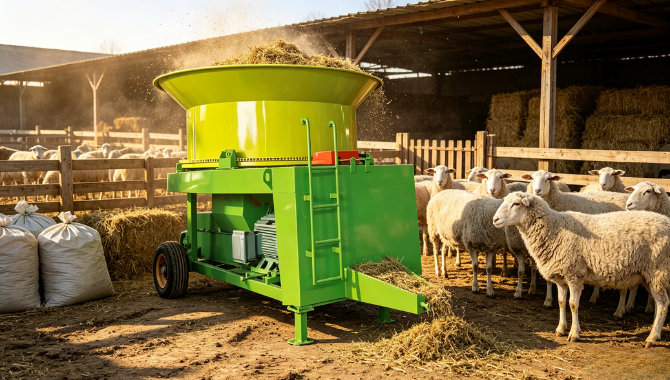
A complete silage line does three jobs: feed out stored forage efficiently, process it into the right particle size, and preserve what cannot be fed today.
Goldilocks supplies all three stages from one factory, and the line is designed to work as a system rather than as separate machines. Stage one is the silage feeder. With an independent hydraulic system, electric drive options and a belt conveyor, it cuts any standard silo face quickly, carries feed to the wagon and protects quality by keeping the face clean and sealed. Stage two is the straw crusher. Its welded steel frame, long-life chain feeding and sharp, multi-matched rotor blades open up straw, stalks and hay into uniform chop, so the ration is eaten instead of sorted. Stage three is the fully automatic silage baler, which presses and wraps surplus forage into bales that store anywhere and feed out cleanly when the silo runs low. Because all three come from one manufacturer, capacity matches across the line, spare parts are common, instructions follow one standard and a single service contact handles every machine. Goldilocks has supported farms since 2009, with appraisal certificates held continuously since 2015 and export packing on every order.
Whether you are starting from an empty feed room or upgrading one machine at a time, the factory can plan the line around your silo, crops and herd. The factory also helps with the details that make a line run: recommended blade settings per crop, conveyor and belt tensioning routines, power requirements at each station and a first-service parts kit to keep on hand. Goldilocks ships with manuals and video support, so setup does not stall at harvest. When you plan the line together with the maker, capacity, spare parts and service all line up, and the season runs itself. That is the difference between buying machines and building a
More Features for Products
Goldilocks silage equipment is engineered around a simple idea: the machine should keep working with minimum attention. The independent hydraulic system carries its own selffiltering pump station, so there is no need to connect tractor hydraulics and no dependence on external pump setups. It needs only a small amount of hydraulic oil, which lowers fuel use, cuts servicing cost and reduces the parts that can fail. Electric drive options further cut operating cost for routine feed-out, while hydraulic power handles tough, frozen or heavily compacted faces. The belt conveyor replaces rusting, stretching chains, and the all-hydraulic drive gives the operator precise control over every cut. The same logic runs through the whole line: the straw crusher pairs sharp, multi-matched rotor blades with a long-life chain feeding device and overload protection, and the automatic baler presses and wraps with fully automatic operation. Fewer moving parts in contact with feed, simpler maintenance and more uptime across every machine we build. Less maintenance, lower running cost and more uptime are the payoff for the whole silage line.
Feed quality is decided at the silo face, and Goldilocks machines are built to protect it. The silage feeder cuts a clean, flat, tightly sealed face every time, keeping oxygen out and limiting secondary fermentation, the main cause of nutrient loss and spoilage in stored silage. Fresher feed at the trough means steadier intake, fewer digestive upsets and a lower sickness rate in the herd, which shows up in milk production and daily gain. The belt conveyor delivers that clean silage gently, without breaking it down or leaving waste behind. On the processing side, the straw crusher opens up long-stem fiber so the full ration is eaten rather than sorted, supporting consistent dry-matter intake. The automatic baler extends the same quality logic to storage: wrapped bales ferment anaerobically and hold their condition for months, feeding as well as fresh silage when opened. From clamp to trough to bale, the Goldilocks line is built around one goal: keep the feed fresher, keep the herd healthier and waste less of what you grow.
Application Fields & Scenarios
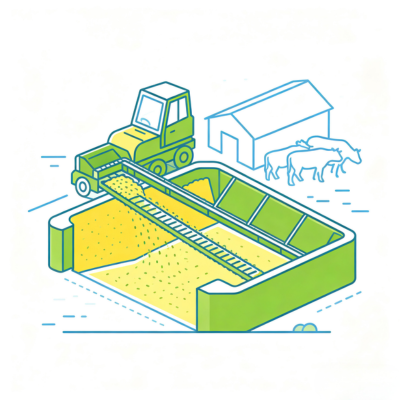
Dairy herds need fresh, stable silage twice a day, every day. The Goldilocks silage feeder cuts a clean face from any bunker or clamp, protects quality by limiting secondary fermentation, and carries feed straight to the wagon or trough. Electric and hydraulic drive options match the farm’s power setup, while the belt conveyor keeps delivery reliable. Healthier silage, steadier intake and lower feed-out labor for milking herds.
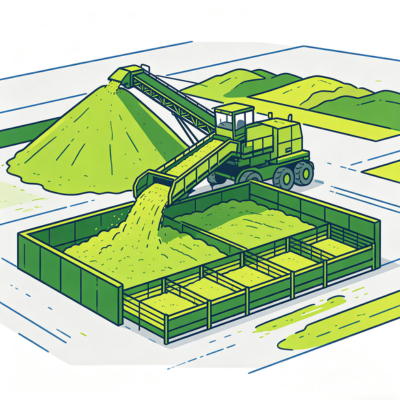
Feedlots and large operations move tons of silage every day and cannot afford slow, breakdown-prone equipment. The Goldilocks silage feeder handles any standard silo size, removes exactly the daily requirement with hydraulic precision, and keeps running with minimal oil and maintenance. Fewer workers, shorter feed-out windows and dependable output that keeps thousands of cattle on schedule.
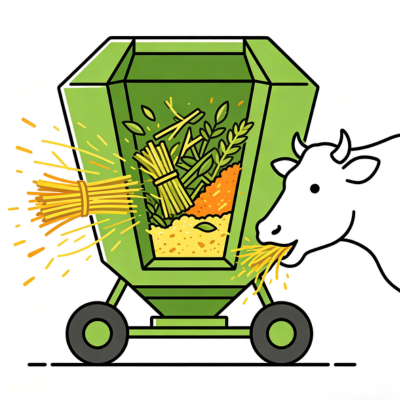
Long straw is hard for cows to sort through and digest. The Goldilocks straw crusher chops wheat straw, corn stalks and hay into uniform pieces that mix evenly into TMR rations,improving intake, digestion and feed efficiency. Sharp rotor blades and steady chain feeding process bale after bale without clogging, so the feed room keeps pace with the mixer.
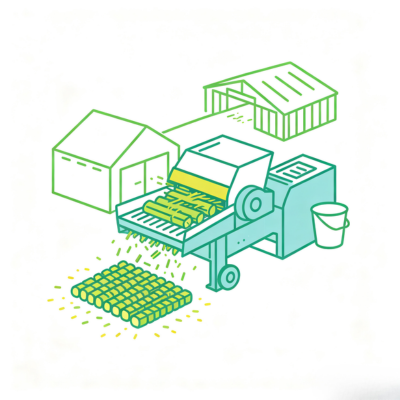
Family farms and specialist feed processors need one machine that handles dry straw, green forage and crop residues with consistent results. The Goldilocks crusher’s welded steel frame is easy to move, its chain feeding delivers high torque without jams, and its diversified blade matching suits different crops and moisture levels. High crushing efficiency in a simple, serviceable package.
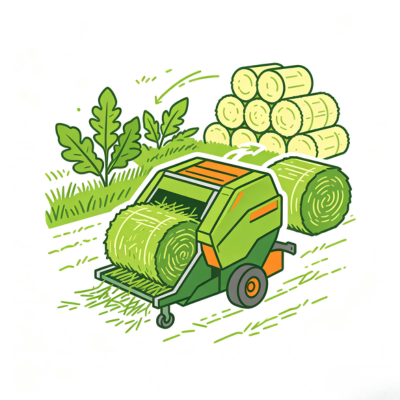
Lush grass and alfalfa cuts often outpace the herd. The Goldilocks automatic silage baler presses and wraps the surplus on the spot, creating anaerobic conditions that preserve quality for months. One operator packs and wraps instead of a crew, and the dense, wrapped bales stack anywhere, open on demand and feed as well as fresh silage when the clamp runs low.
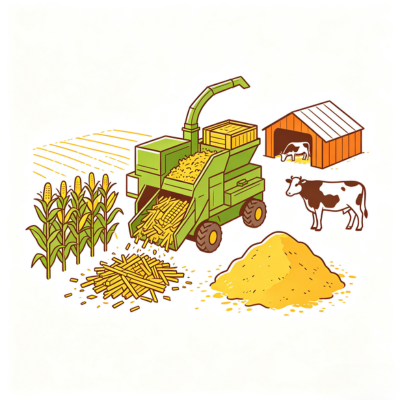
After harvest, corn stalks and crop residues are either wasted, burned or sold cheap. The Goldilocks automatic silage baler turns this residue into wrapped feed bales that store outdoors, protect quality and feed out months later. Farms convert seasonal surplus into a banked feed reserve, reducing purchased feed and simplifying storage, with automatic operation that keeps labor low.
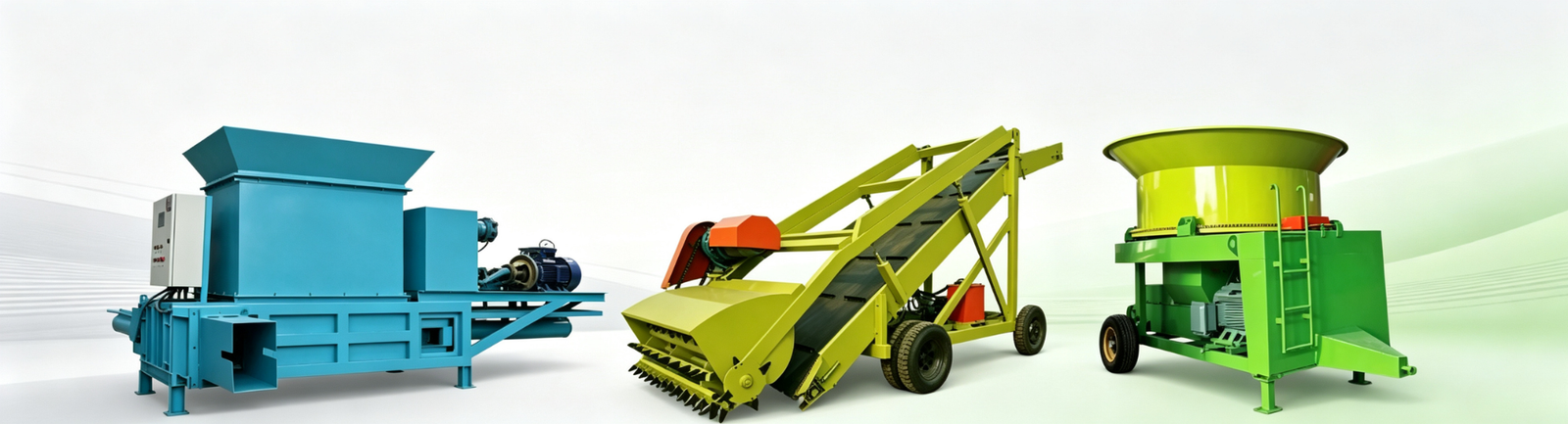
Produits apparentés
Alternative Names
silage cutter machine / silage defacer machine / silage face cutter / silage feeder machine / feed out silage / silage clamp cutter / bunker silo cutter / cattle silage cutting machine / silage feed out machine / silage block cutter machine/straw crusher machine / chaff cutter machine / fodder chopper machine / grass shredder machine / corn stalk grinder / forage chopper machine / straw grinding machine / feed crusher for cattle / hay cutter grinder / silage chopper machine/silage baler machine / automatic silage baler / silage wrapper machine / round bale wrapper / silage packing machine / forage baler machine / grass baling machine / corn silage baler / straw baling machine / automatic baler wrapper
 Français
  English
  Русский
  Español
  Português
  Tiếng Việt